Scottish Brain Sciences was proud to support a winning weekend for Aberdeen football as match day sponsor at Pittodrie and back-of-shirt sponsor for the Aberdeen FC Women’s team.
The 6-2 win for the men’s team was dubbed one of the most ‘exciting and craziest games at Pittodrie in a long time’ by one of our guests, and the women’s team topped the weekend off with a 2-1 victory.
Read the match report on BBC: Aberdeen vs Livingston: Scottish Premiership updates & match report – BBC Sport
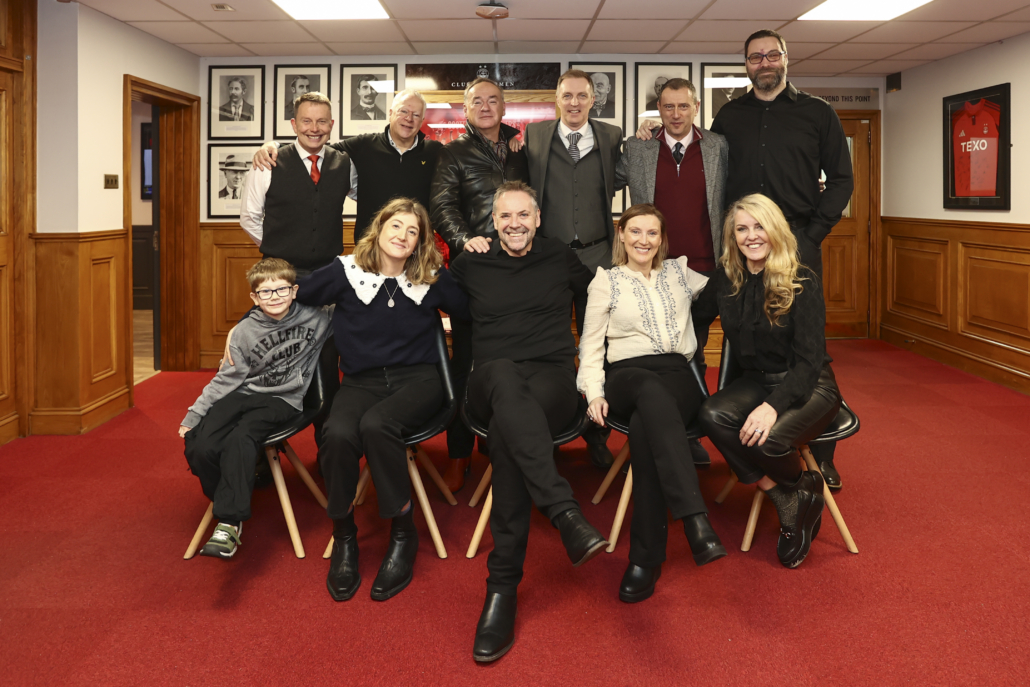
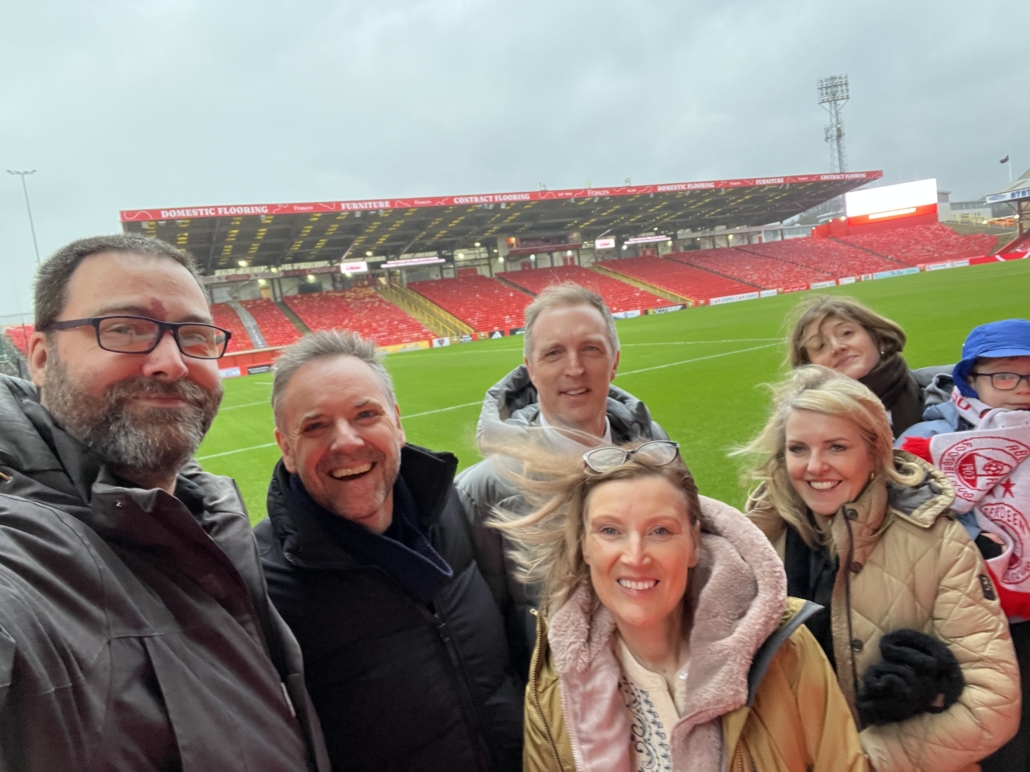
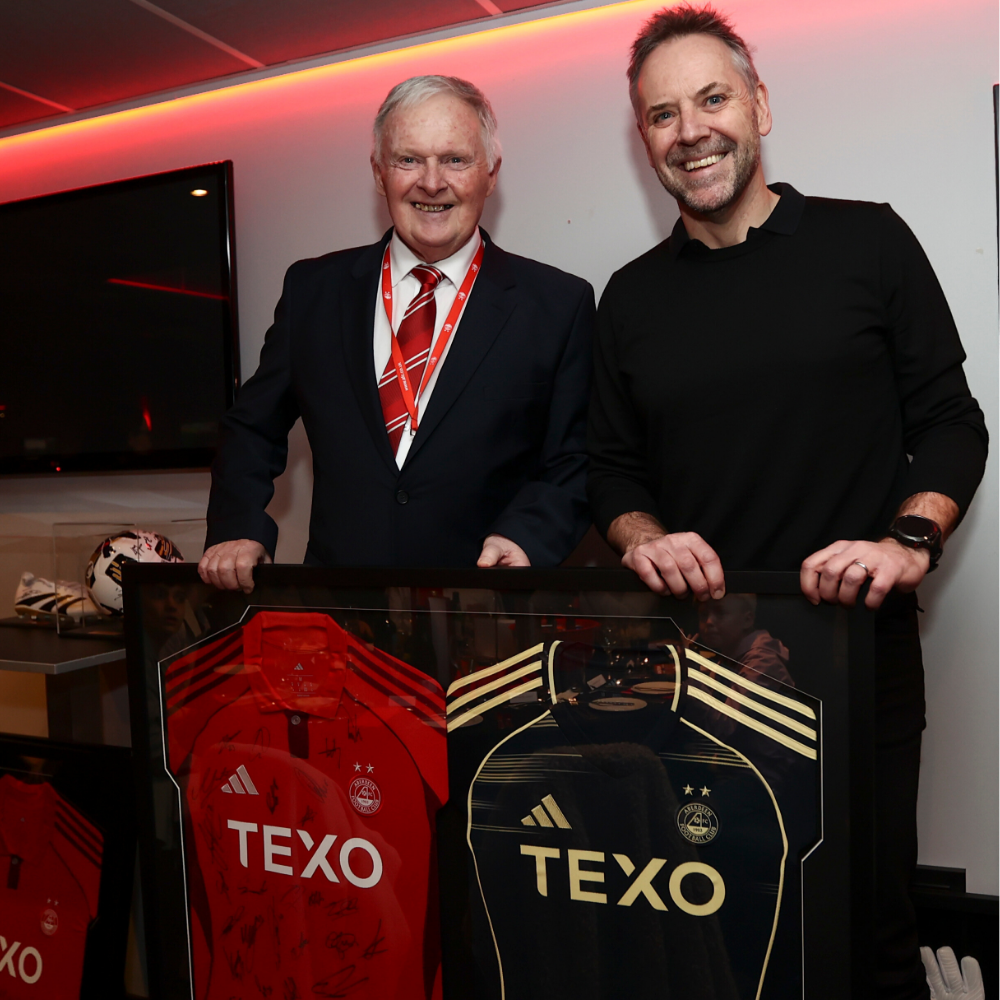
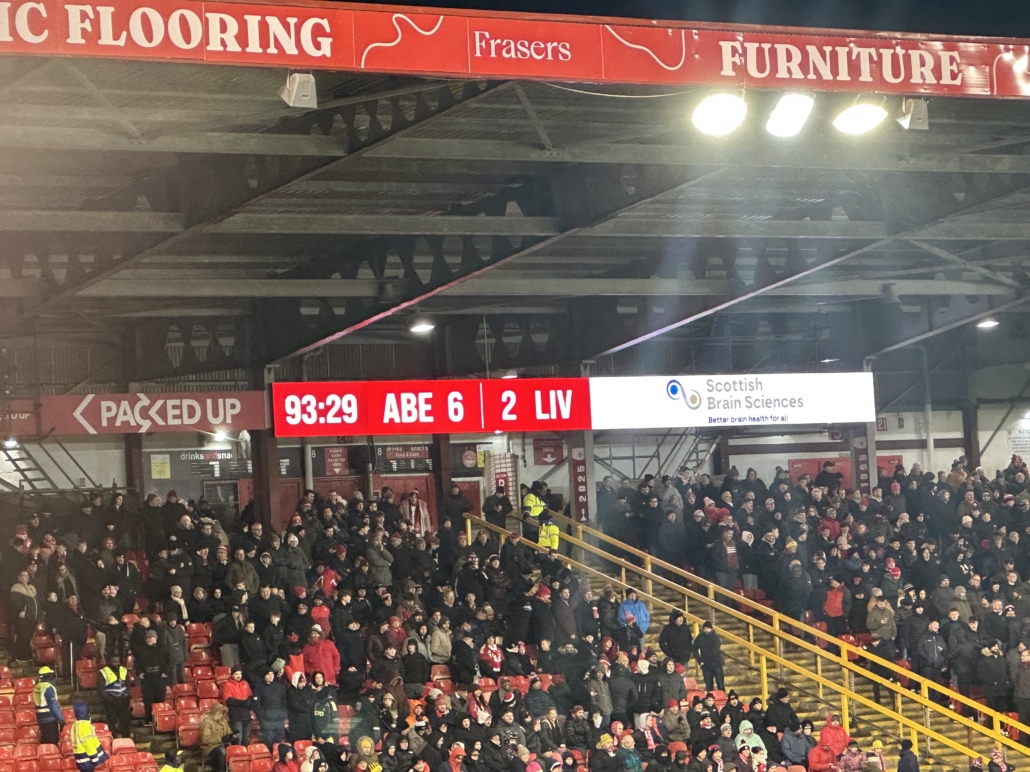
Community engagement in Aberdeen
Alongside celebrating success on the pitch, we were delighted to highlight something just as important happening off it — world-leading brain research taking place right here in Aberdeen.
Our clinical research site gives people across the north east of Scotland the opportunity to take part in studies focused on the early detection and treatment of Alzheimer’s disease and other neurodegenerative conditions. These studies play a vital role in improving our understanding of brain health and shaping future treatments.
Taking part in research is entirely voluntary, and many studies are open to people with or without symptoms. By participating, you can help advance scientific knowledge while contributing to research that may benefit future generations.
We are proud to be part of the local community and committed to making research accessible to people in the north east. If you’re interested in learning more about current studies and how to get involved, we’d love to hear from you.
More news from Scottish Brain Sciences
 https://brainsciences.scot/wp-content/uploads/2023/08/Clara.png
300
300
k.montano
https://brainsciences.scot/wp-content/uploads/2025/11/SBS-web-logo5-1.png
k.montano2023-09-01 09:00:002025-04-25 11:22:08The SBS Blog – Welcome our new Senior Clinical Investigator!
https://brainsciences.scot/wp-content/uploads/2023/08/Clara.png
300
300
k.montano
https://brainsciences.scot/wp-content/uploads/2025/11/SBS-web-logo5-1.png
k.montano2023-09-01 09:00:002025-04-25 11:22:08The SBS Blog – Welcome our new Senior Clinical Investigator! © angellodeco
https://brainsciences.scot/wp-content/uploads/2023/08/Genomics-Image-©-angellodeco-.jpg
400
640
Denise Fraser
https://brainsciences.scot/wp-content/uploads/2025/11/SBS-web-logo5-1.png
Denise Fraser2023-08-16 10:55:002023-08-16 11:43:39Partnership seeks early Alzheimer’s blood test
© angellodeco
https://brainsciences.scot/wp-content/uploads/2023/08/Genomics-Image-©-angellodeco-.jpg
400
640
Denise Fraser
https://brainsciences.scot/wp-content/uploads/2025/11/SBS-web-logo5-1.png
Denise Fraser2023-08-16 10:55:002023-08-16 11:43:39Partnership seeks early Alzheimer’s blood test https://brainsciences.scot/wp-content/uploads/2023/08/Team-photos-for-website-300-×-300-px-300-×-300-px-300-×-300-px.png
300
300
k.montano
https://brainsciences.scot/wp-content/uploads/2025/11/SBS-web-logo5-1.png
k.montano2023-08-11 12:24:342025-03-14 13:32:21The SBS Blog – Welcome our new Research Officer to the CEO!
https://brainsciences.scot/wp-content/uploads/2023/08/Team-photos-for-website-300-×-300-px-300-×-300-px-300-×-300-px.png
300
300
k.montano
https://brainsciences.scot/wp-content/uploads/2025/11/SBS-web-logo5-1.png
k.montano2023-08-11 12:24:342025-03-14 13:32:21The SBS Blog – Welcome our new Research Officer to the CEO!