Scottish Brain Sciences
  • Home
  • Taking part in research
    • Studies and trials
    • Patient and Public Involvement panel
  • Industry services and partnerships
    • Clinical trial services
    • Biomarker Diagnostics
    • IONA Gateway Data and Biobanking
  • Who we are
    • Leadership team
    • Careers
    • International Brain Health Conference 2026
    • News
      • Publications
  • Contact Us
    • Register interest form
  • Click to open the search input field Click to open the search input field Search
  • Menu Menu

Why Rob Says Yes to Alzheimer’s Research

Meet Rob Mitchell, an Alzheimer’s research participant from Inverness, and discover why his family’s experience of the disease inspired him to take part in research with Scottish Brain Sciences.

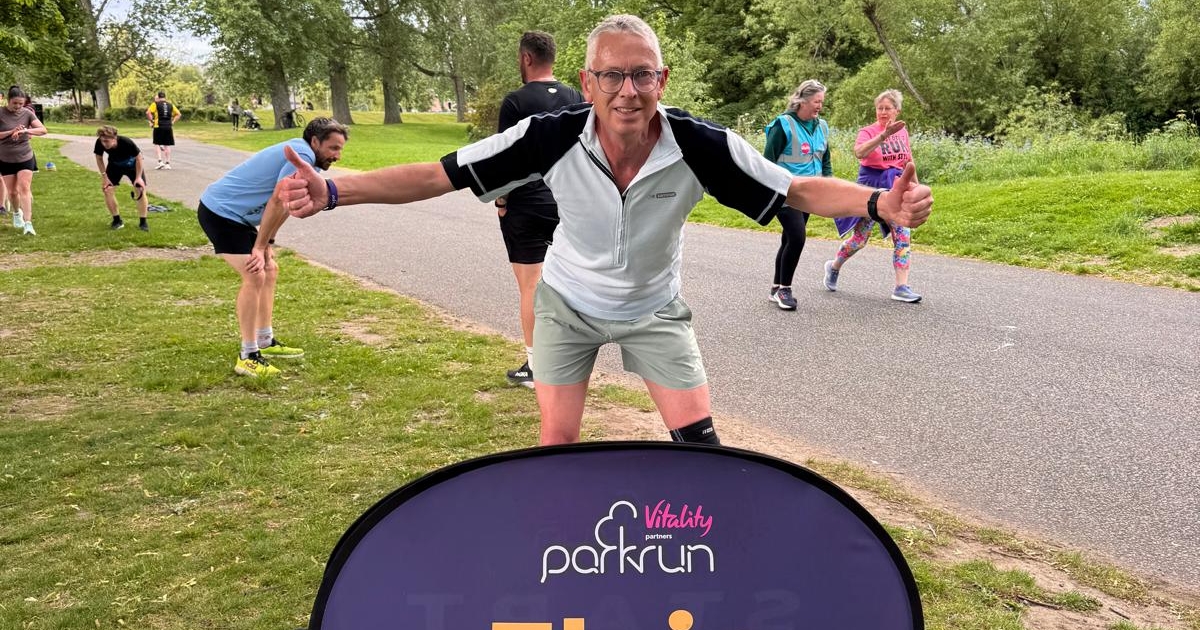
A man in running gear standing in park

“Science is going to stand still unless people come forward and take part. If I can play the tiniest little part in helping to find solutions to some of the causes, the symptoms, whatever it might be, then I’m willing to put myself forward.”

Rob MitchellResearch participant

Listen to Rob talk about why taking part in Alzheimer’s research matters to him, and what his experience has been like with Scottish Brain Sciences.

When Alzheimer’s becomes personal

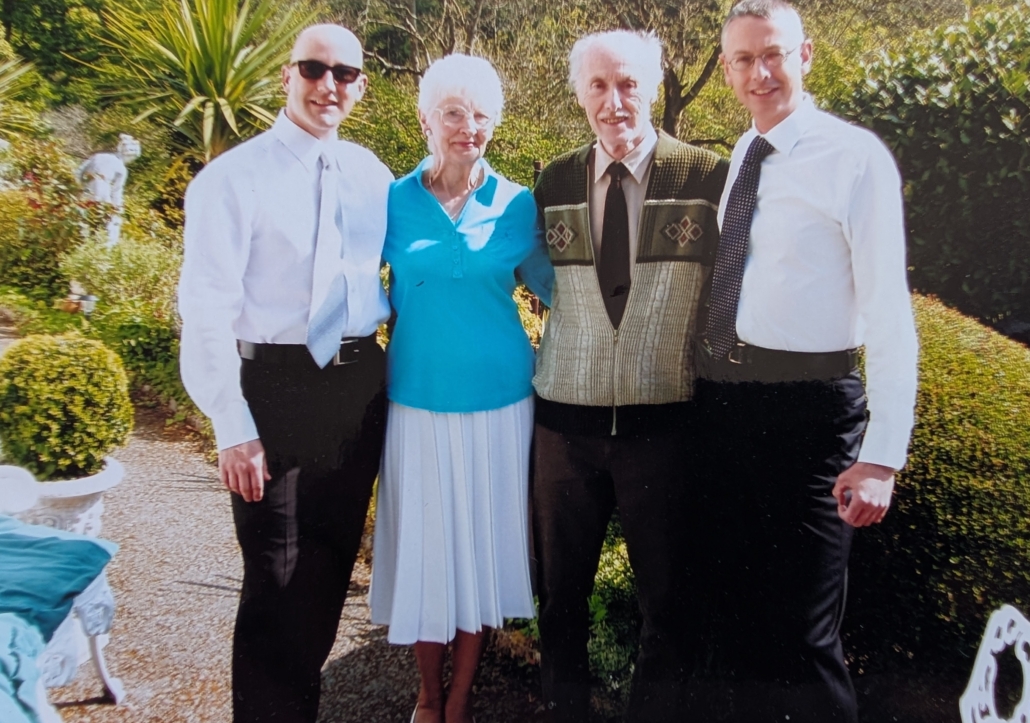
For Rob Mitchell, taking part in Alzheimer’s research is deeply personal. His father, Ron, died with Alzheimer’s disease around 18 years ago, a close friend later developed the disease, and Rob believes his grandfather may also have lived with an undiagnosed form of dementia.

Now 60 and living near Inverness with his partner Mark, Rob is taking part in brain health and Alzheimer’s research with Scottish Brain Sciences through the IONA study. His family history is one of the main reasons he wants to understand more about the disease and contribute to research aimed at changing what diagnosis and treatment might look like in the future.

Previous Previous Previous Next Next Next
12
A woman and three men standing side by side smiling at the camera Open image in lightbox: Rob Mitchell family Open image in lightbox: Rob Mitchell family
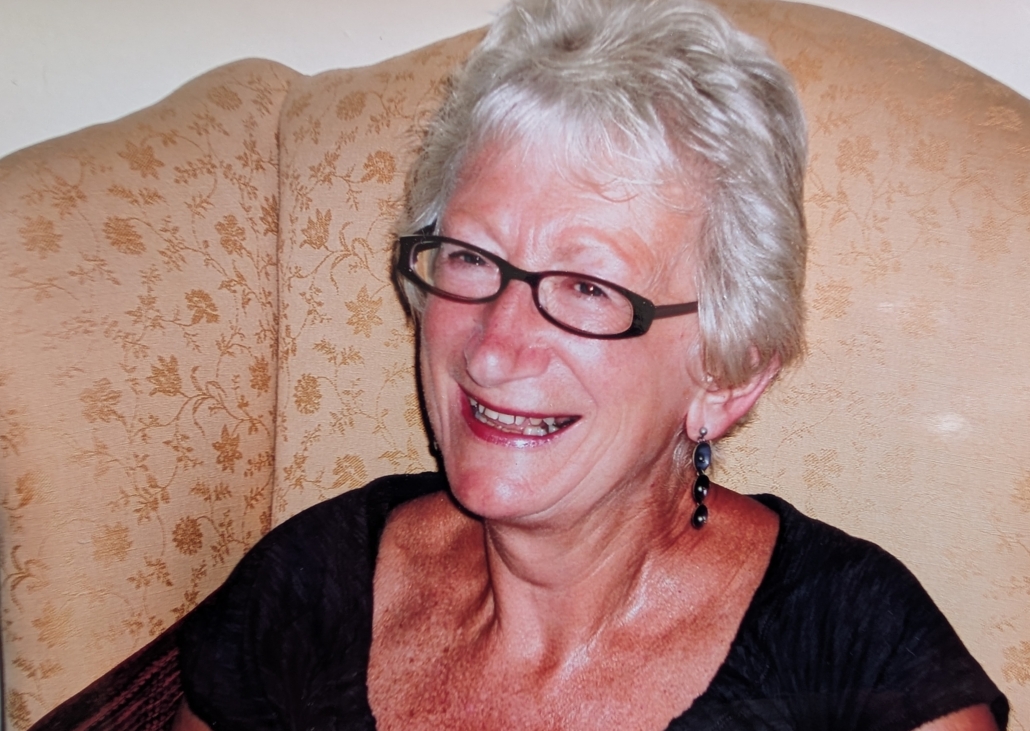
A woman with white hair and glasses smiling Open image in lightbox: Rob Mitchell friend Open image in lightbox: Rob Mitchell friend

Rob remembers clearly what his family experienced when his father became ill. At the time, treatment options were limited, although medication did appear to slow the progression for a period.

“It kept us having a dad who, on the whole, we recognised, and who recognised us, for a bit longer,” he says. “So, we were grateful for that.”

He also saw the impact the disease had on his mother as she watched her husband change, something Rob describes as one of the most difficult parts of the experience.

Alzheimer’s touched his life again more recently when his close friend Joan developed the disease. Even towards the later stages, when communication had become difficult, Rob remembers the connection between them remaining.

“Her face used to light up,” he says. “She might have forgotten who I was, but she clearly knew that she knew me, and she felt safe and comfortable with me. That was just lovely.”

Rather than making Rob reluctant to know more about his own risk, those experiences made him more determined to take part in research.

Choosing to take part

Rob had already been contributing to UK Biobank for more than 15 years when he became involved with Scottish Brain Sciences.

Through IONA, researchers follow people over time to learn more about how brain health changes and how conditions such as Alzheimer’s disease develop.

For Rob, his family history makes this particularly relevant. He knows his father had Alzheimer’s and suspects his grandfather may have experienced similar symptoms.

Taking part gives Rob an opportunity to contribute to research that could help scientists better understand the changes associated with Alzheimer’s and how the disease develops over time.

His experience of taking part has also been overwhelmingly positive.

“Every contact I’ve had with Scottish Brain Sciences has been wonderful,” he says. “People always make time for you, to ask questions and help you understand what you’re doing.”

He particularly values how clearly the research and each stage of participation have been explained.

“Everybody is treated with absolute respect and put at ease. They can’t do enough to make you feel comfortable. It is a positive experience.”

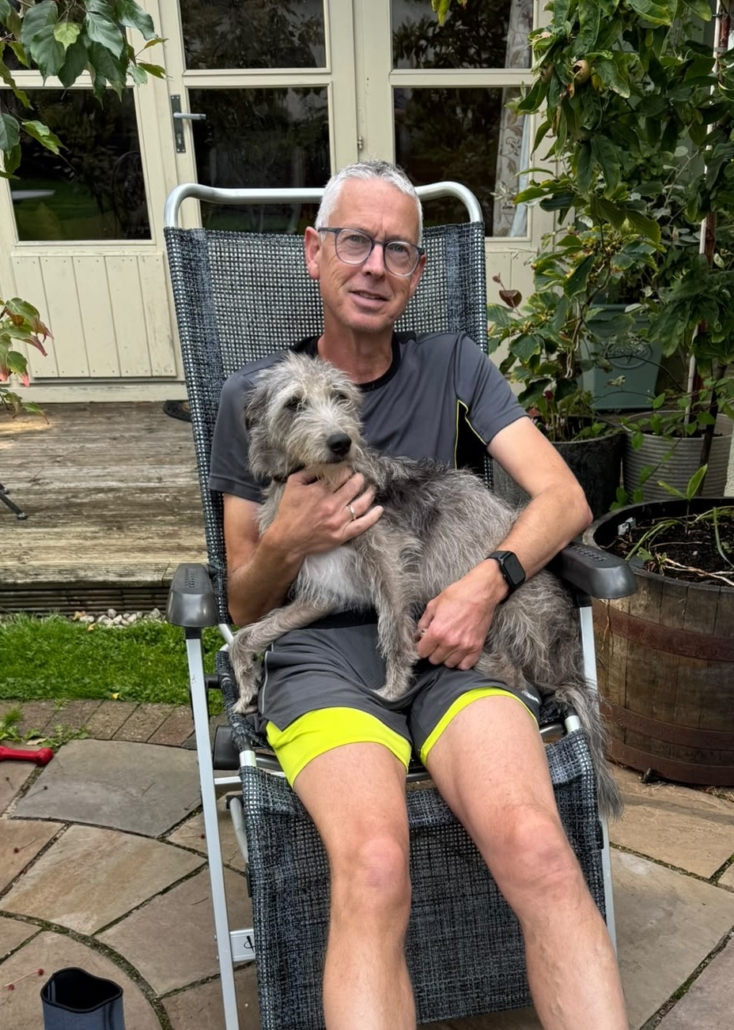
A man sitting in a garden chair with a dog on his lap

Why finding Alzheimer’s earlier matters

Rob has seen first-hand what Alzheimer’s can mean for individuals and their families. That is one reason he is interested in research that could help scientists understand the disease earlier.

Changes associated with Alzheimer’s can begin in the brain years before someone receives a diagnosis. Researchers are therefore exploring ways to identify and understand these changes earlier, potentially creating more opportunities for treatment, support and planning.

At Scottish Brain Sciences, researchers are following changes in brain health over time and exploring new approaches to detecting Alzheimer’s disease, including the potential role of blood-based biomarkers.

For Rob, being part of that work is about helping researchers build the knowledge that could make a difference in the future.

Helping future generations

For Rob, the possibility of improving what might be available to future families is enough reason to be involved.

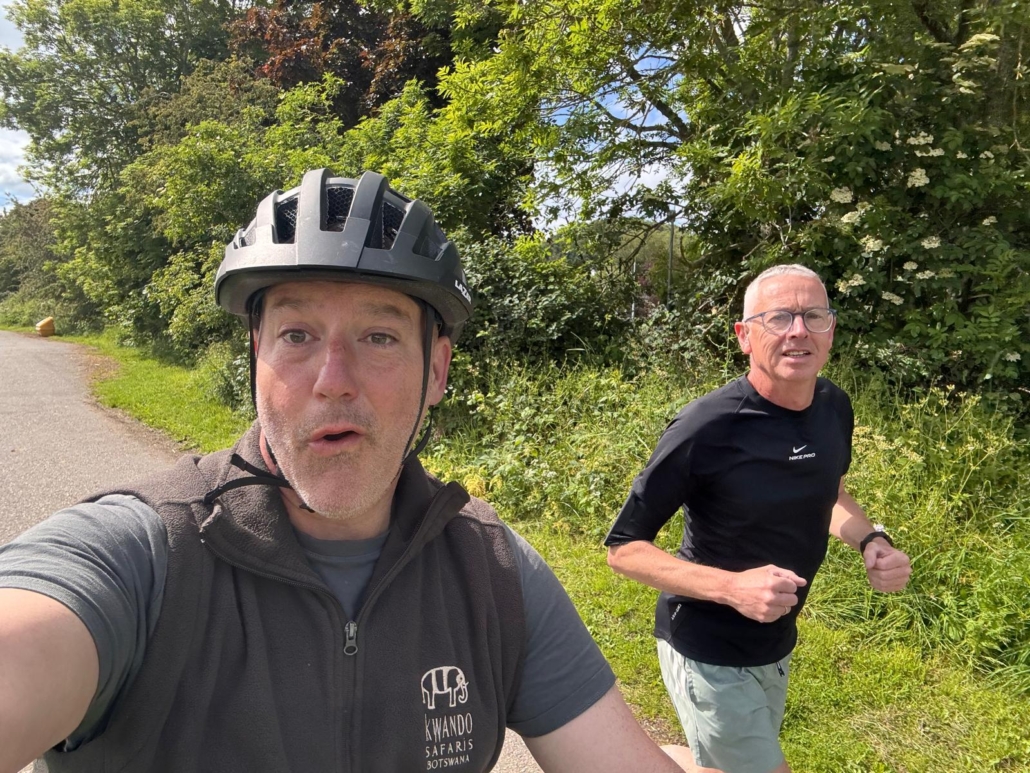
This September, Rob will take on his first Loch Ness Marathon, inspired in part by the people he has known and loved who have been affected by Alzheimer’s.

It is another way of responding to a disease that has had a profound impact on his life.

Rob knows the research he takes part in may not lead to something that benefits him personally. But he hopes it could help create better options for someone else in the future.

After seeing first-hand how much even a little more time can mean to a family, that possibility is reason enough for Rob to keep saying “yes.”

More news from Scottish Brain Sciences

Dr John Harrison

Redefining clinical meaningfulness

28th March 2023
A World Dementia Council Summit will this week (Monday) discuss how teams conducting clinical research into Alzheimer’s disease and wider dementia can measure what matters when some interventions clearly benefit patients but may not deliver the dramatic improvements needed to meet current definitions of effectiveness.
Read more
https://brainsciences.scot/wp-content/uploads/2023/03/John-Harrison-Scottish-Brain-Sciences.jpg 554 396 Digital Essence https://brainsciences.scot/wp-content/uploads/2025/11/SBS-web-logo5-1.png Digital Essence2023-03-28 15:28:342023-04-24 15:25:39Redefining clinical meaningfulness
Professor Craig Ritchie - Scottish Brain Services

Dementia: A treatable condition of midlife

28th February 2023
One of the world’s foremost researchers into Alzheimer’s Disease and the wider diagnosis and treatment of dementia says, for the last century, investigations into these conditions have been focusing on the wrong place.
Read more
https://brainsciences.scot/wp-content/uploads/2023/03/Craig-Ritchie-Scottish-Brain-Services.jpg 539 396 Digital Essence https://brainsciences.scot/wp-content/uploads/2025/11/SBS-web-logo5-1.png Digital Essence2023-02-28 14:22:002023-05-22 12:36:05Dementia: A treatable condition of midlife
Page 18 of 18«‹161718

Categories

  • Brain health
  • Brain injury
  • News
  • People
  • Policy
  • Research news
  • Scottish Brain Sciences
  • Sport
  • Uncategorised
  • Webinar

Follow on socials

  • Follow Scottish Brain Sciences on Facebook Follow Scottish Brain Sciences on LinkedIn Follow Scottish Brain Sciences on Instagram Follow Scottish Brain Sciences on YouTube

Company Information

Scottish Brain Sciences is a trading name of Brain Health Scotland Life Sciences Ltd. Registered in Scotland (SC736113) with its registered office at Scottish Gas Murrayfield Stadium, 3rd Floor, South Stand, 110 Roseburn Street, Edinburgh, EH12 5PJ.

Contact us

  • Get in touch
Link to: Free Edinburgh event invites public to discover more about Alzheimer’s research Link to: Free Edinburgh event invites public to discover more about Alzheimer’s research Free Edinburgh event invites public to discover more about Alzheimer’s re...
Scroll to top Scroll to top Scroll to top

We use Google Analytics. By continuing to browse the site, you are agreeing to our use of cookies.

OKHide notificationLearn more

Cookie and Privacy Settings


How we use cookies

We may request cookies to be set on your device. We use cookies to let us know when you visit our websites, how you interact with us, to enrich your user experience, and to customize your relationship with our website.

Click on the different category headings to find out more. You can also change some of your preferences. Note that blocking some types of cookies may impact your experience on our websites and the services we are able to offer.

Essential Website Cookies

These cookies are strictly necessary to provide you with services available through our website and to use some of its features.

Because these cookies are strictly necessary to deliver the website, refusing them will have impact how our site functions. You always can block or delete cookies by changing your browser settings and force blocking all cookies on this website. But this will always prompt you to accept/refuse cookies when revisiting our site.

We fully respect if you want to refuse cookies but to avoid asking you again and again kindly allow us to store a cookie for that. You are free to opt out any time or opt in for other cookies to get a better experience. If you refuse cookies we will remove all set cookies in our domain.

We provide you with a list of stored cookies on your computer in our domain so you can check what we stored. Due to security reasons we are not able to show or modify cookies from other domains. You can check these in your browser security settings.

Other external services

We also use different external services like Google Webfonts, Google Maps, and external Video providers. Since these providers may collect personal data like your IP address we allow you to block them here. Please be aware that this might heavily reduce the functionality and appearance of our site. Changes will take effect once you reload the page.

Google Webfont Settings:

Google Map Settings:

Google reCaptcha Settings:

Vimeo and Youtube video embeds:

Privacy Policy

You can read about our cookies and privacy settings in detail on our Privacy Policy Page.

Privacy Policy
Accept settingsHide notification only