The Scottish life sciences expert will support company growth and expansion.
We are pleased to announce the appointment of Gary White as Director of Operations, strengthening our senior team as Scottish Brain Sciences continues to expand Alzheimer’s research activity and services.
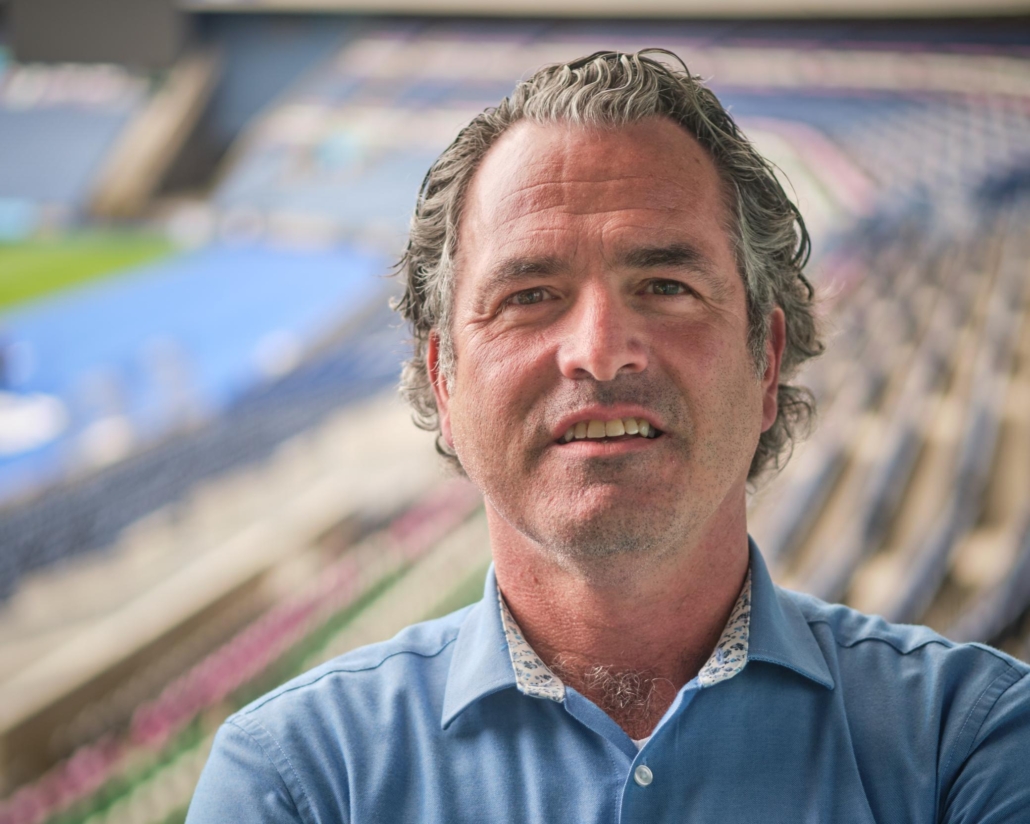
Gary brings more than 25 years of experience in life sciences, spanning preclinical and clinical research as well as biopharmaceutical product development. He joins Scottish Brain Sciences after 17 years at IQVIA, where he held senior strategic leadership roles focused on customers, clinical investigators and site alliances, and served on the board of Cenduit UK.
A chemistry graduate by training, he has led complex global programmes, built high-performing teams and developed strategic partnerships across the commercial, government and academic sectors.
He is also a former co-chair of the Scottish Life Sciences Industry Leadership Group and has advised both the Scottish and UK governments on life sciences, clinical research and international trade.
In his new role, Gary will help shape and deliver the operational and growth strategy for Scottish Brain Sciences, supporting our expansion plans and helping connect teams, partners and research activity.
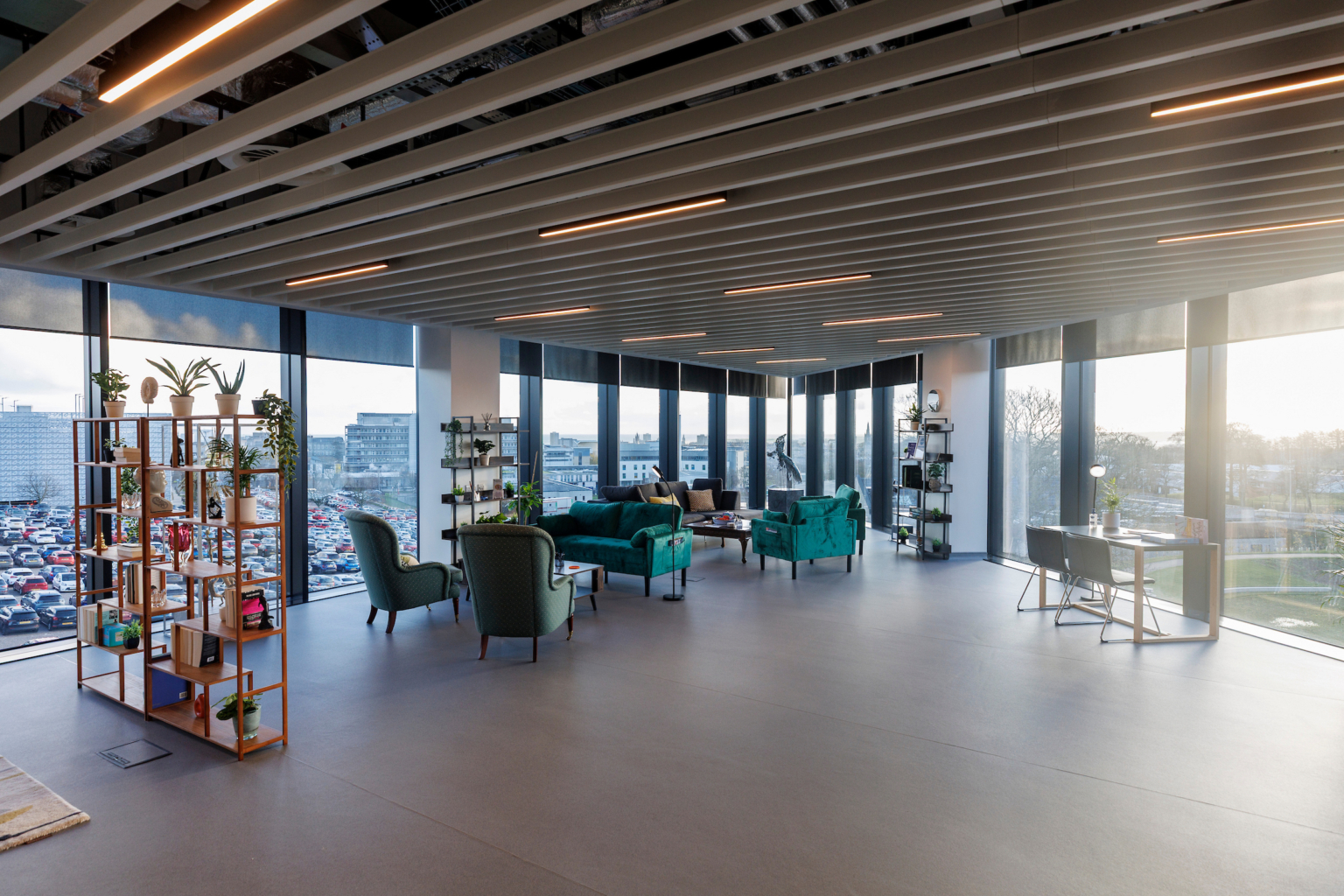
We currently have sites at Murrayfield Stadium in Edinburgh, BioHub in Aberdeen and a lab at the Eden Campus in St Andrews, and further expansion is planned.
Commenting on his appointment, White said:
“To be joining Scottish Brain Sciences at such a pivotal moment is hugely exciting. The opportunity to work alongside Professor Ritchie and his exceptional team, contributing to the continued success, growth and expansion of SBS’s critical work in Alzheimer’s research, is deeply meaningful to me — both professionally and personally. Like many, my family has been affected by this disease, and I’m inspired and energised to play a small part in the clinical and scientific advances being made.
“After many years supporting the Scottish life sciences sector and helping position ‘Brand Scotland’ on the global stage, the opportunity to contribute to the growth of a home-grown organisation that truly reflects the innovation and talent of this sector is a powerful motivator.
“As we continue to grow, our unique proposition will deliver real value for our partners, our people and, most importantly, our research participants.”
Professor Craig Ritchie, founder of Scottish Brain Sciences, said:
“Gary comes to SBS with an unparalleled depth of experience in life sciences, gained through his work at IQVIA and through his leadership across the Scottish life sciences sector.
“Our friendship dates back several years, and he has watched the SBS journey unfold from start-up to scale-up. With his passion and experience, he will help us grow the organisation both nationally and internationally. It is an important validation of what we have built over the last four years that someone of Gary’s stature has agreed to join us on our journey.”
More news
 https://brainsciences.scot/wp-content/uploads/2023/07/AAIC-2_Cropped.jpg
410
640
Denise Fraser
https://brainsciences.scot/wp-content/uploads/2025/11/SBS-web-logo5-1.png
Denise Fraser2023-07-17 16:30:002023-07-31 13:37:15Donanemab marks start of “new story” in Alzheimer’s research
https://brainsciences.scot/wp-content/uploads/2023/07/AAIC-2_Cropped.jpg
410
640
Denise Fraser
https://brainsciences.scot/wp-content/uploads/2025/11/SBS-web-logo5-1.png
Denise Fraser2023-07-17 16:30:002023-07-31 13:37:15Donanemab marks start of “new story” in Alzheimer’s research https://brainsciences.scot/wp-content/uploads/2023/07/Dame-Anna-Dominiczak-Chief-Scientist.jpg
400
640
Denise Fraser
https://brainsciences.scot/wp-content/uploads/2025/11/SBS-web-logo5-1.png
Denise Fraser2023-07-14 11:50:002025-12-15 12:55:26Chief Scientist calls for more research volunteers
https://brainsciences.scot/wp-content/uploads/2023/07/Dame-Anna-Dominiczak-Chief-Scientist.jpg
400
640
Denise Fraser
https://brainsciences.scot/wp-content/uploads/2025/11/SBS-web-logo5-1.png
Denise Fraser2023-07-14 11:50:002025-12-15 12:55:26Chief Scientist calls for more research volunteers https://brainsciences.scot/wp-content/uploads/2023/07/image.png
464
343
Denise Fraser
https://brainsciences.scot/wp-content/uploads/2025/11/SBS-web-logo5-1.png
Denise Fraser2023-07-11 15:40:002023-07-19 14:05:22Scotland hosts second world brain health summit
https://brainsciences.scot/wp-content/uploads/2023/07/image.png
464
343
Denise Fraser
https://brainsciences.scot/wp-content/uploads/2025/11/SBS-web-logo5-1.png
Denise Fraser2023-07-11 15:40:002023-07-19 14:05:22Scotland hosts second world brain health summit