A new clinical trial offering hope to people living with Alzheimer’s disease and their families has opened in Scotland.

We are now recruiting at Scottish Brain Sciences research hubs in Aberdeen and Edinburgh. The first participant in Europe was screened earlier this month at the Aberdeen BioHub site, signalling strong demand for research into behavioural symptoms of Alzheimer’s disease—an area long recognised by clinicians and charities as underserved.
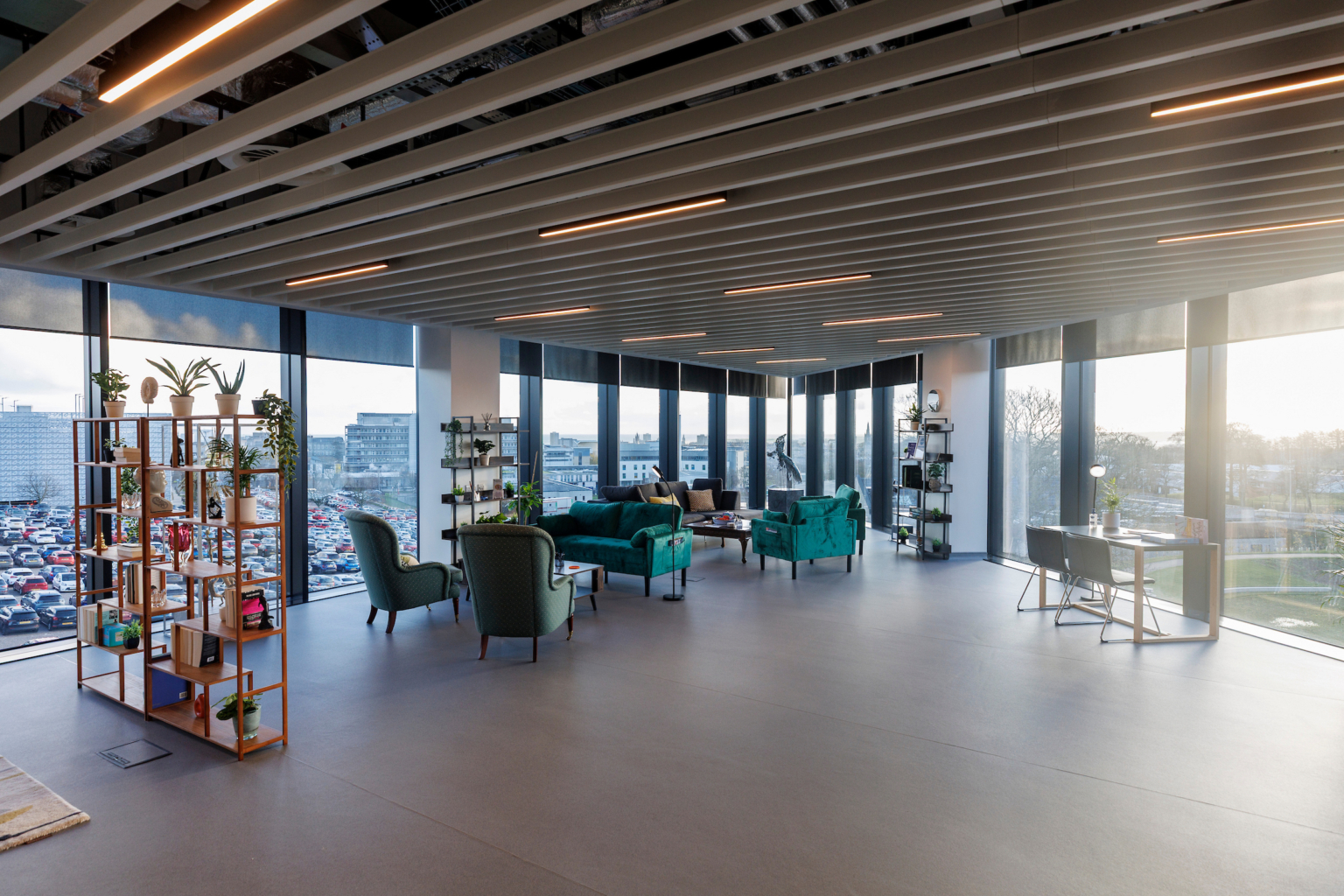
The new SERENADA study will investigate whether a new investigational medication can help ease these symptoms and improve wellbeing for both patients and caregivers.
Professor Craig Ritchie, a leading dementia specialist and CEO of Scottish Brain Sciences, said: “Families tell us that these behavioural changes can be among the most challenging and heartbreaking aspects of Alzheimer’s. They often reflect distress that the person themselves may not be able to express”.
“There is a clear need for better, more effective ways to support people through these moments. We are proud to be contributing to global efforts to improve care and quality of life for people living with Alzheimer’s disease, and this study is an important step toward that goal.”
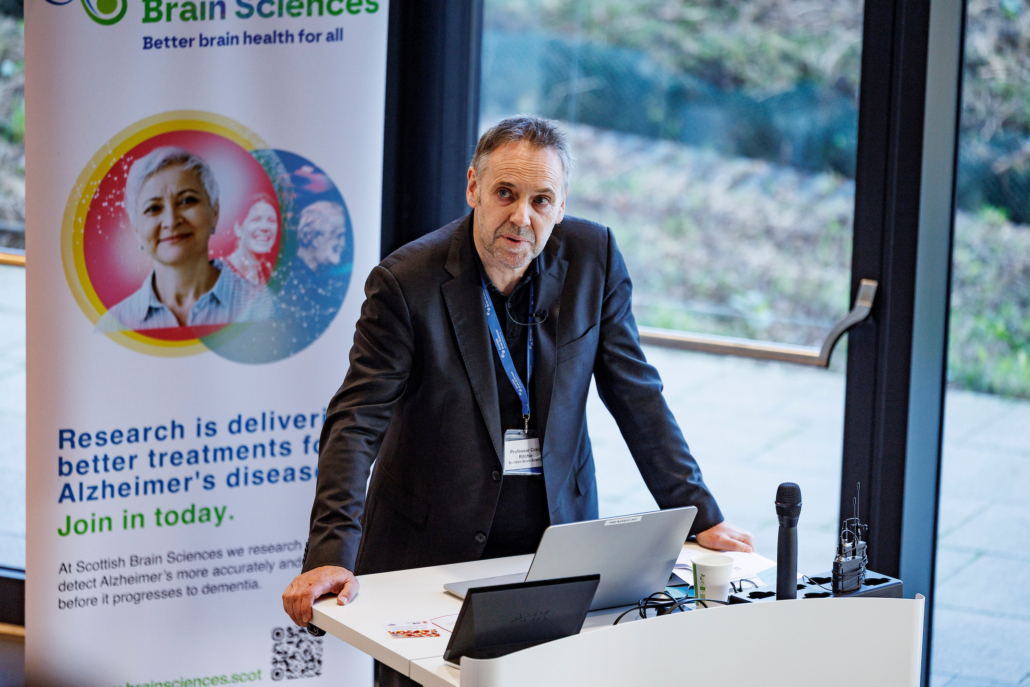
Recruitment is now open at Scottish Brain Sciences’ research clinics in Aberdeen and Edinburgh, currently the only UK sites involved in the global study.
- Email participation@brainsciences.scot
- Learn more about the study https://brainsciences.scot/alzheimers-behavioural-symptoms-study/
More News
 https://brainsciences.scot/wp-content/uploads/2023/08/Team-photos-for-website-300-×-300-px-300-×-300-px-300-×-300-px.png
300
300
k.montano
https://brainsciences.scot/wp-content/uploads/2025/11/SBS-web-logo5-1.png
k.montano2023-08-11 12:24:342025-03-14 13:32:21The SBS Blog – Welcome our new Research Officer to the CEO!
https://brainsciences.scot/wp-content/uploads/2023/08/Team-photos-for-website-300-×-300-px-300-×-300-px-300-×-300-px.png
300
300
k.montano
https://brainsciences.scot/wp-content/uploads/2025/11/SBS-web-logo5-1.png
k.montano2023-08-11 12:24:342025-03-14 13:32:21The SBS Blog – Welcome our new Research Officer to the CEO! https://brainsciences.scot/wp-content/uploads/2023/07/Untitled-300-×-300-px-300-×-300-px.png
300
300
k.montano
https://brainsciences.scot/wp-content/uploads/2025/11/SBS-web-logo5-1.png
k.montano2023-07-31 15:35:502025-03-14 13:31:39The SBS Blog – Welcome our new Head of Laboratory Sciences!
https://brainsciences.scot/wp-content/uploads/2023/07/Untitled-300-×-300-px-300-×-300-px.png
300
300
k.montano
https://brainsciences.scot/wp-content/uploads/2025/11/SBS-web-logo5-1.png
k.montano2023-07-31 15:35:502025-03-14 13:31:39The SBS Blog – Welcome our new Head of Laboratory Sciences! https://brainsciences.scot/wp-content/uploads/2023/07/AAIC-2_Cropped.jpg
410
640
Editorial
https://brainsciences.scot/wp-content/uploads/2025/11/SBS-web-logo5-1.png
Editorial2023-07-17 16:30:002023-07-31 13:37:15Donanemab marks start of “new story” in Alzheimer’s research
https://brainsciences.scot/wp-content/uploads/2023/07/AAIC-2_Cropped.jpg
410
640
Editorial
https://brainsciences.scot/wp-content/uploads/2025/11/SBS-web-logo5-1.png
Editorial2023-07-17 16:30:002023-07-31 13:37:15Donanemab marks start of “new story” in Alzheimer’s research